Are We Sending Children to School Too Young? Dr Cheryl Hadland on Early Years Education
Are we putting too much pressure on children too early? Have we forgotten the importance of play? And are we doing enough to support children during their most important years of development?
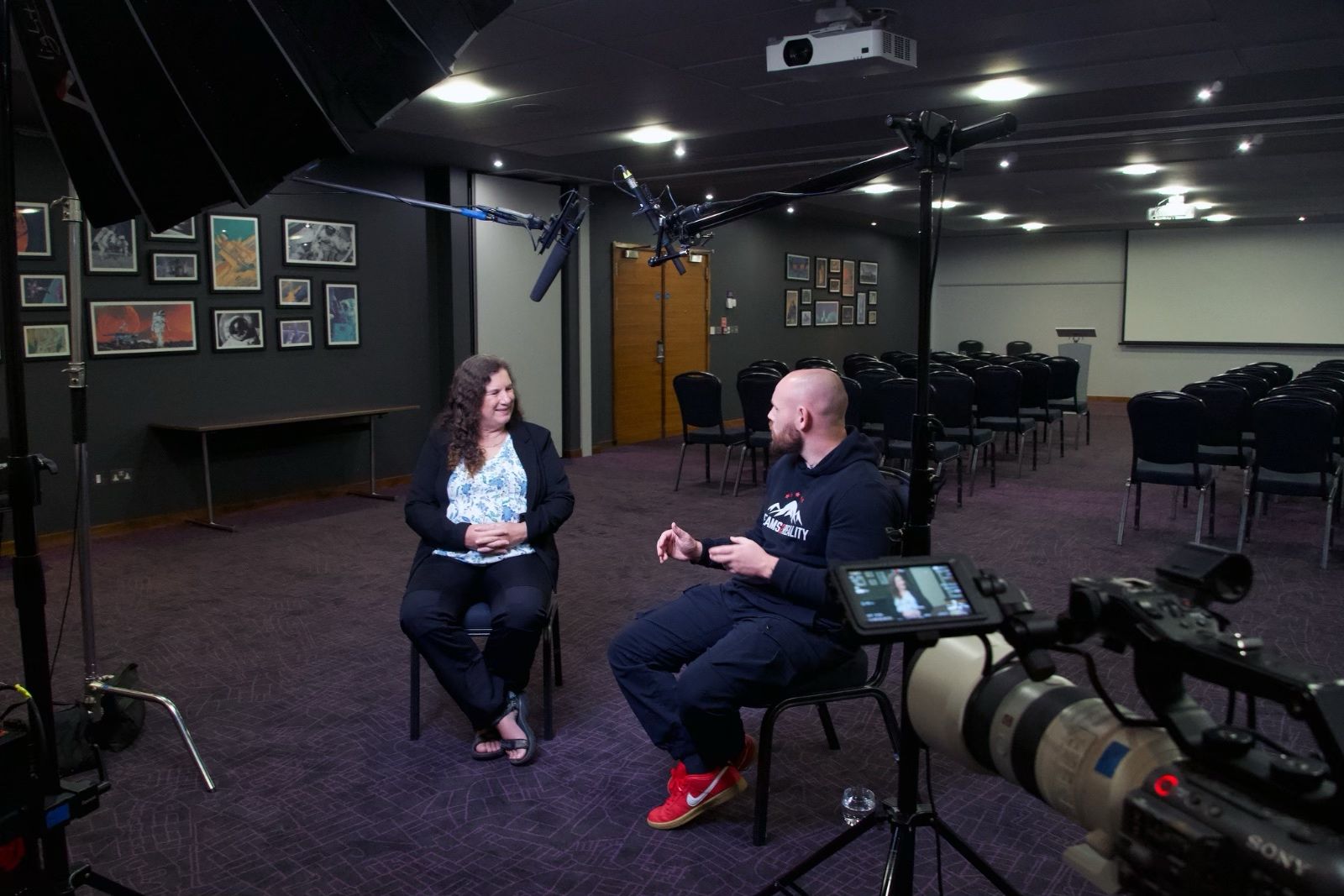
These are just some of the questions explored in the latest episode of The School Podcast, as Cameron Parker sits down with Dr Cheryl Hadland, Founder and Chair of Tops Day Nurseries, to discuss early years education, parenting, SEND and the future of childcare in the UK.
 Watch the full interview on YouTube →
Having founded her first nursery in 1990, Cheryl has spent more than 35 years working in early childhood education. What started as a solution to finding suitable childcare for her own children has grown into a business of 34 nurseries, employing approximately 970 people. But this conversation goes far beyond business success. Cheryl challenges some of the traditional thinking around childhood development and shares why she believes we need to rethink how we educate and support our youngest children.
Are Children Starting School Too Young?
In England, most children enter Reception at four or five years old. But is this really the best age to begin school? Cheryl questions whether moving children into a school environment so young has been the right decision. Drawing comparisons with countries where formal education begins later, she argues that young children need more opportunities to explore, develop independence, build confidence and learn through play. For Cheryl, early years education shouldn’t simply be about preparing children to sit still, follow instructions and meet academic expectations. It should be about developing curious, confident and resilient young people who genuinely enjoy learning.
This raises an important question: Are we preparing children for school, or should schools be better prepared for children?
The Importance of Play, Independence and Taking Risks
One of the most interesting parts of the conversation focuses on the role of play in childhood development. Cheryl believes children need opportunities to take appropriate risks, experience challenges and discover what they are capable of. Whether that’s climbing, running, exploring outside or occasionally falling over, these experiences can help children develop physical confidence, coordination and independence. Of course, safeguarding remains essential. However, Cheryl argues that protecting children shouldn’t mean removing every opportunity for them to challenge themselves. The discussion highlights the importance of finding a balance between keeping children safe and allowing them the freedom to learn through experience.
Have Parenting Expectations Changed?
Another fascinating topic is how parenting has changed over the last three decades. Cheryl discusses the challenges facing modern parents, including the influence of online advice, changing expectations and the pressures of raising children without extended family support. The conversation also explores the increasing number of children entering school who are not yet toilet trained. Cheryl believes parents and early years practitioners should work together to develop children’s independence from a young age, rather than waiting until they reach school. While every child develops differently, particularly children with additional needs, the wider discussion raises questions about parental support, expectations and the importance of developing essential life skills.
Supporting Children with SEND in Early Years Education
With increasing numbers of children requiring additional support, special educational needs and disabilities (SEND) are another major focus of the episode. Cheryl shares how her nurseries have experienced a significant change in the number of children presenting with additional needs since she first entered the sector. From sensory challenges to more complex physical and developmental needs, she explains how early years settings must continually adapt their environments and approaches.
However, providing this support isn’t always straightforward. Limited funding, difficulties accessing assessments and the need for specialist training can place significant pressure on nurseries and their staff. Cheryl strongly believes that investing in early identification and intervention could make a substantial difference to children’s long-term development and educational experiences. The earlier we identify and support children’s needs, the greater the opportunity to help them thrive.
Why Do We Need More Men Working in Nurseries?
One of the more unusual discussions centres on the lack of male educators working in early years settings. Cheryl explains that approximately 7% of her workforce is male, a figure she believes is considerably higher than the national average. She argues that children benefit from experiencing a diverse range of positive role models, including men who demonstrate kindness, compassion, patience and care. The conversation explores the stereotypes surrounding men working with young children and why these perceptions may discourage more men from entering the profession. For Cheryl, creating inclusive environments isn’t just about supporting children. It’s also about ensuring that staff from different backgrounds feel welcomed, respected and valued.
Building 34 Nurseries: The Story Behind Tops Day Nurseries
Beyond her views on education, Cheryl shares the remarkable journey of building her nursery business. Her first nursery opened in 1990 after she struggled to find childcare that suited her own child’s needs. Having remortgaged the family home to purchase a building, Cheryl began creating the environment she believed young children deserved. The early years were far from easy. She reveals that the business initially lost money, forcing her to take additional teaching work to support her family.
However, her commitment to staff development, training and creating opportunities for others helped the business expand. What began as one nursery eventually grew into a group of 34 settings. Her journey offers valuable lessons about leadership, resilience, entrepreneurship and building a business around a genuine purpose.
Sustainability and the Future of Childcare
Another area Cheryl is particularly passionate about is sustainability. She explains how Tops Day Nurseries has worked to reduce unnecessary plastics, rethink purchasing decisions and create more natural environments for children. From reducing disposable materials to reconsidering food choices and everyday nursery practices, Cheryl believes businesses have a responsibility to consider the world future generations will inherit. Importantly, she also shares how some environmentally conscious decisions have helped reduce business costs. Her message is that sustainability doesn’t have to mean perfection. It means continually making better choices wherever possible.
Why the First 1,000 Days Matter
Towards the end of the conversation, Cheryl is asked what she would change about education if she had a magic wand. Her answer focuses on the importance of investing in the earliest stages of childhood. She believes greater investment in early years education, better professional development and improved opportunities for nursery practitioners could have a lasting impact on children’s lives. Rather than focusing so heavily on what happens when children reach secondary school, Cheryl challenges us to consider whether we are doing enough during the years before they even enter the classroom.
It’s a powerful reminder that education doesn’t begin when a child first puts on a school uniform. It begins much earlier.
Listen to Dr Cheryl Hadland on The School Podcast
This episode offers a fascinating insight into early years education from someone who has spent more than three decades working with young children, developing nursery staff and challenging conventional approaches.
Whether you’re a parent, teacher, school leader or early years practitioner, Cheryl’s experiences and perspectives provide plenty to reflect on. From the importance of play and supporting children with SEND to parenting expectations, sustainability and building a successful business, this is a conversation about giving children the best possible start in life.
Watch or listen to the full episode of The School Podcast with Cameron Parker and Dr Cheryl Hadland, and join the conversation about the future of early years education.