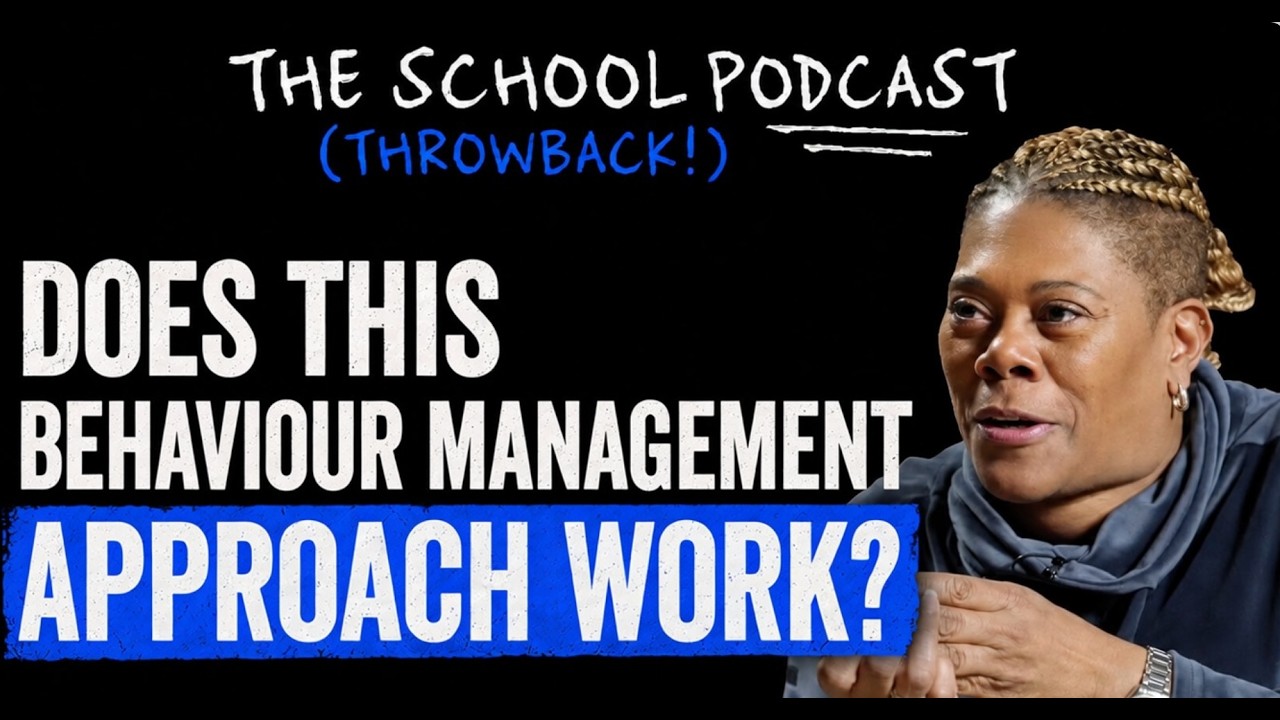
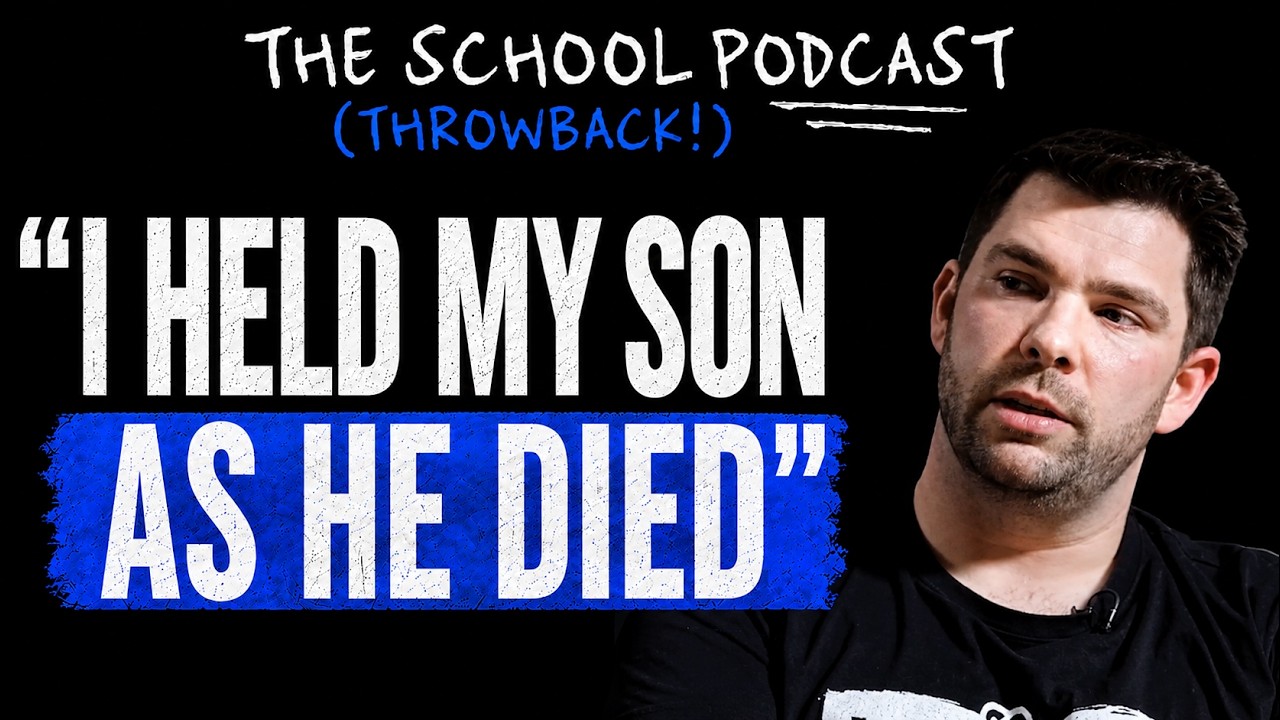
From Knife Crime to Classroom Behaviour – At first glance, Michael Hall and Fay Greaves come from very different worlds. Michael’s story is one of unimaginable loss. A father whose son was murdered in a knife crime incident that changed his life forever.
Fay’s story comes from over 30 years working in education, supporting some of the most vulnerable, challenging and misunderstood young people in our schools.
Yet when we sat down with both guests on The School Podcast, a common message emerged.
 Watch the full interview on YouTube →
The young people who need us most are often the ones struggling to be heard. Too often society focuses on the headline: the behaviour, the exclusion, the arrest, the incident and the tragedy.
What we don’t always do is look underneath. Michael spoke powerfully about the devastating consequences of violence and the ripple effect it has on families, friends and entire communities. His story is heartbreaking, but it is also a reminder that every statistic represents a real person, a real family and a future that has been lost.
His message wasn’t simply about knife crime. It was about prevention. About reaching young people before they make decisions that can change lives forever.
Fay’s conversation approached the same challenge from a different angle.
Throughout her career, she has worked with students who many people had written off. Young people displaying challenging behaviour, struggling with trauma, facing difficult home lives or carrying burdens that most adults would struggle to cope with.
One of the most powerful points she made was that behaviour rarely exists in isolation. Behind every incident is a story. Behind every angry outburst, refusal or confrontation is often a young person trying to communicate something they don’t yet have the skills to express.
That doesn’t mean there should be no consequences. Schools need boundaries, standards and accountability.
But Fay challenged us to think beyond punishment alone.
She spoke about restorative approaches, consistency, fairness and the importance of relationships. She also raised an important question around the use of sanctions that remove young people from the very things they love most.
If a student’s passion is sport, music, drama or another positive outlet, should that really be the first thing we take away? It’s a thought-provoking challenge for schools, parents and anyone working with young people.
When you listen to both conversations together, a bigger picture starts to emerge.
- Prevention matters.
- Relationships matter.
- Understanding matters.
The young people making poor decisions today are often the same young people who have experienced significant adversity, trauma or disadvantage. That doesn’t excuse behaviour, but it does help explain it.
As educators, parents and professionals, our responsibility is not simply to react when things go wrong. It is to create environments where young people feel seen, supported and challenged before they reach crisis point.
That is why we continue to have these conversations on The School Podcast. Because behind every headline is a human story and sometimes, understanding that story is where real change begins.